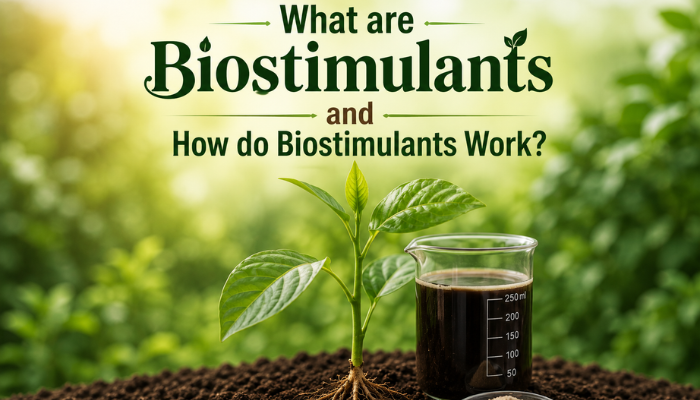
Biostimulant products in agriculture are becoming increasingly popular among farmers because they help improve crop growth, increase nutrient efficiency, and support plants during stressful conditions. With changing weather patterns, declining soil fertility, and rising input costs, farmers are looking for sustainable ways to improve crop productivity.
A biostimulant is a product that helps plants grow better, stay healthy, absorb nutrients more efficiently, and handle stress such as drought, heat, or salinity.
In this blog, we will explain what is biostimulant, how they work, their benefits, and how farmers can use biostimulant products in agriculture for better crop performance.
What is Biostimulant?
A biostimulant is a natural substance or beneficial microorganism that helps plants grow better and stay healthier. It is applied to seeds, soil, or plant leaves to support the plant’s natural growth processes.
Unlike fertilizers, biostimulants do not directly provide nutrients such as nitrogen, phosphorus, or potassium. Instead, they help plants use available nutrients more efficiently and improve their ability to handle different environmental stresses.
Biostimulants work like a health booster for plants. They strengthen the plant from within and help it perform better throughout the crop cycle.
How Do Biostimulants Work?
Biostimulants help plants grow better by supporting their natural processes. They do not directly provide nutrients like fertilizers or control pests like pesticides. Instead, they help plants use available nutrients more efficiently and stay healthy under stress.
- Improve Nutrient Absorption- Biostimulants help plants absorb and use nutrients from the soil more effectively, making fertilizers work better.
- Support Better Root Growth- They encourage stronger and deeper root development, helping plants take up more water and nutrients.
- Increase Stress Tolerance- Biostimulants help crops cope with drought, heat, salinity, and other environmental stresses, allowing plants to remain healthy during difficult conditions.
- Boost Soil Microbial Activity- Many biostimulants support beneficial soil microorganisms that improve nutrient availability and overall soil health.
- Improve Soil-Plant Interaction- They help create a healthier root zone, which enhances the relationship between plant roots and the soil.
- Stimulate Plant Growth Processes- Ingredients such as seaweed extracts, amino acids, humic acids, and fulvic acids activate natural plant functions that support healthy growth and development.
- Increase Chlorophyll Production- Biostimulants help plants produce more chlorophyll, resulting in greener leaves and improved photosynthesis.
- Enhance Crop Quality and Yield- By improving nutrient use, root growth, and stress tolerance, biostimulants help crops produce better-quality fruits, vegetables, and grains with higher yield potential.
Main Types of Biostimulant Products in Agriculture
Several types of biostimulant products are available for different crops and farming conditions.
1. Seaweed and Botanical Extracts
- Made from seaweed and natural plant extracts.
- Rich in natural plant growth compounds, vitamins, and minerals.
- Help crops grow healthier and stronger.
- Improve tolerance to drought, heat, and other environmental stresses.
- Support better flowering, fruiting, and crop quality.
Examples
- SV SN 40 - A seaweed-based biostimulant that promotes root growth, improves plant health, and helps crops withstand stress.
- SV Sugarban - A natural plant growth enhancer that supports flowering, improves crop quality, and boosts nutrient uptake.
2. Humic and Fulvic Acids
- Natural substances formed from decomposed organic matter.
- Help improve soil structure and fertility.
- Promote strong root growth.
- Increase nutrient availability and absorption by plants.
- Improves soil health and overall plant growth.
Examples
- SV Fulora- A humic and fulvic acid-based product that improves soil fertility, enhances root growth, and increases nutrient uptake.
- SV Size Builder -A plant growth promoter that supports nutrient absorption, improves crop development, and helps achieve better yield and crop quality.
3. Protein Hydrolysates and Amino Acids
- Contain amino acids that help plants grow and develop.
- Improve photosynthesis and plant metabolism.
- Help crops recover quickly from stress.
- Enhance nutrient use efficiency, especially nitrogen.
- Promote healthy growth and higher productivity.
Example
- SV Canter - An amino acid-based biostimulant that improves plant growth, nutrient absorption, and crop productivity.
4. Microbial Biostimulants
- Contain beneficial microorganisms such as bacteria and fungi.
- Improve root development and nutrient uptake.
- Help make nutrients like phosphorus more available to plants.
- Support soil fertility and microbial activity.
- Promote healthier and stronger crop growth.
5. Chitosan and Other Biopolymers
- Natural compounds obtained from biological sources.
- Help activate the plant's natural defense system.
- Improve resistance to heat, cold, and other stresses.
- Support healthier crop growth and better plant strength.
Benefits of Biostimulants
Biostimulants offer several advantages for farmers.
- Biostimulants help plants absorb and use nutrients more efficiently, making fertilizers work better and reducing nutrient loss.
- They help crops handle difficult conditions such as drought, high temperatures, salinity, and other environmental stresses.
- Biostimulants can enhance crop color, size, taste, nutritional value, and shelf life, resulting in better-quality produce.
- They encourage the growth of beneficial soil microbes, improve soil fertility, and promote healthy soil activity over time.
- Biostimulants help develop larger and healthier root systems, allowing plants to absorb more water and nutrients from the soil.
- Strong roots and better nutrient use help plants grow healthier, greener, and more vigorous throughout the crop cycle.
- By supporting overall plant health and reducing stress, biostimulants can contribute to higher crop productivity and better harvests.
- Crops become stronger and recover faster from environmental challenges, helping maintain consistent growth and performance.
Factors to Consider Before Choosing a Biostimulant Product
Before selecting a product, farmers should consider:
- First, understand why you need a biostimulant.
- Some products help improve root growth, while others support flowering, stress recovery, or overall crop development.
- Different crops respond differently to biostimulants.
- Choose a product that is suitable for your specific crop.
- Some biostimulants work best during seedling growth, while others are more effective during flowering, fruiting, or harvest stages.
- Select products based on soil health and environmental challenges such as drought, heat, salinity, or nutrient deficiency.
- Make sure the biostimulant can be safely used along with fertilizers, pesticides, or other crop protection products already being applied.
- Always read the product label and follow the recommended dose and application method for the best results.
- Choose a product that provides visible benefits such as better growth, improved yield, or higher crop quality, helping you get a good return on investment.
Conclusion
Understanding what is biostimulant helps farmers make better decisions for crop management. Biostimulants are valuable tools that improve nutrient use efficiency, support root growth, increase stress tolerance, and enhance crop quality.
Looking for reliable biostimulant products to improve crop growth and productivity?
SV Agro Solutions is a trusted biostimulant manufacturer and supplier in Pune, offering high-quality products that help improve plant health, nutrient uptake, stress tolerance, and crop yield. Our innovative biostimulant solutions support sustainable farming and are trusted by farmers across India as well as international markets.
Frequently Asked Questions
1. What is biostimulant in simple words?
A biostimulant is a natural product or beneficial microorganism that helps plants grow better by improving nutrient uptake, root growth, and stress tolerance.
2. How do biostimulants work in crops?
Biostimulants stimulate natural plant processes that improve nutrient efficiency, root development, and resistance to environmental stress.
3. Are biostimulant products in agriculture safe to use?
Yes, most biostimulants are safe when used according to the manufacturer's recommendations.
4. Can biostimulants replace fertilizers?
No, biostimulants cannot completely replace fertilizers because they do not supply all essential nutrients required by crops.
5. Which crops benefit most from biostimulants?
Almost all crops, including cereals, vegetables, fruits, plantation crops, and horticultural crops, can benefit from biostimulant applications.